The Essential Guide to E-Waste Recycling: Why It's Critical and How to Start Today
Electronic waste recycling represents a critical yet frequently neglected component of contemporary sustainability. As technology advances at a remarkable pace, countless tons of electronic waste build up annually, creating substantial environmental hazards. Grasping the complexities of e-waste disposal enables people to make well-informed decisions. This guide not only outlines effective recycling practices but also explores the broader implications for the environment and economy. The path to accountable e-waste management starts with several key actions.
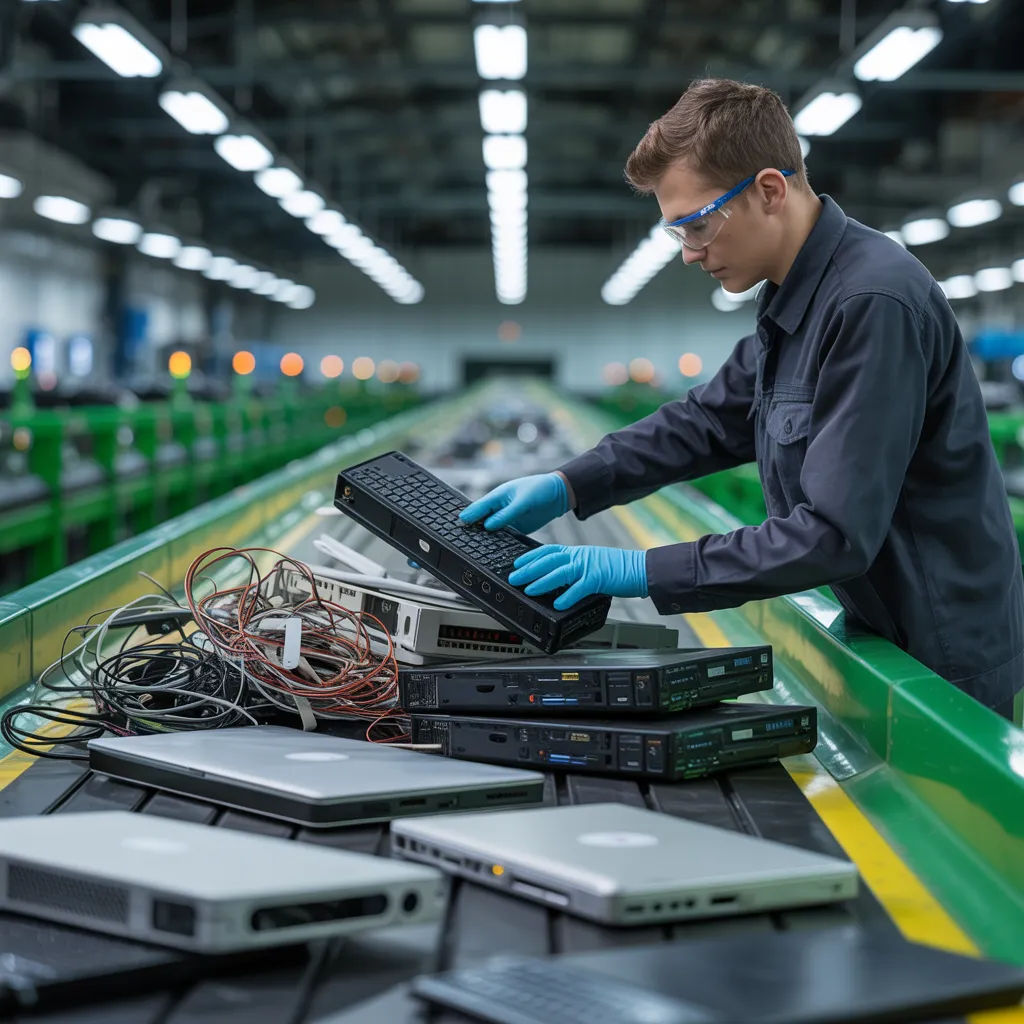
Key Things to Know About E-Waste
E-waste, or electronic waste, refers to discarded electrical and electronic devices, and grasping its impact is essential in the modern digital era. The rapid advancement of technology has resulted in a significant increase in e-waste generation, with vast quantities measured in millions of tons created every year. Such waste frequently harbors dangerous substances including lead, mercury, and cadmium, posing serious environmental and health risks if not managed properly.
Additionally, valuable resources like rare earth metals, gold, and copper are found within these devices, which can be retrieved through the recycling process. Despite this, a considerable portion of electronic waste is discarded in landfills, exacerbating pollution and resource Visit here depletion. Educating people about proper disposal methods and the significance of recycling can address these problems, fostering a more sustainable strategy for technology usage. Recognizing e-waste is crucial for cultivating responsible practices and driving impactful recycling efforts within society.
Your First Steps to E-Waste Recycling
Making the effort to recycle e-waste can greatly impact both the environment and personal responsibility. As a first step, people should evaluate their old or non-functioning electronics, organizing devices such as smartphones, laptops, and printers. This step helps in understanding the volume of e-waste that needs addressing. Additionally, looking into local recycling initiatives is essential. Numerous neighborhoods provide dedicated drop-off points or scheduled collection drives for electronic waste.
People must also educate themselves about what can and cannot be recycled, as rules differ depending on the area. Upon finding the right recycling options, packing the items securely for transport guarantees safety and minimizes damage. In conclusion, it is essential to follow up on the disposal procedure, ensuring that qualified recyclers are responsible for handling the e-waste. Through following these key measures, individuals contribute to a more sustainable future as they dispose of their electronic devices in a responsible manner.
The Environmental Impact of E-Waste Recycling
Though commonly disregarded, the environmental significance of recycling e-waste is deep and wide-reaching. Appropriate recycling of electronic waste works to prevent hazardous materials, such as cadmium, lead, and mercury, from corrupting soil and water systems. These toxic substances can cause severe health risks for both humans and wildlife. By choosing to recycle, valuable resources like gold, copper, and silver are salvaged, minimizing the reliance on mining and diminishing the overall carbon impact connected to the extraction of resources.
Moreover, responsible e-waste recycling decreases landfill usage, where decomposing electronics release harmful chemicals. It strengthens a circular economy by championing sustainable approaches, urging manufacturers to incorporate recyclability into product development. In addition, recycling helps lower greenhouse gas emissions by cutting energy use relative to manufacturing new materials. Taken together, the environmental gains of e-waste recycling reinforce its indispensable role in sustaining a healthier planet and ensuring accountable management of electronic resources.
Economic Benefits of E-Waste Recycling
Electronic waste recycling offers significant economic advantages, especially in terms of employment generation and material recovery. By building dedicated recycling infrastructure, communities can generate employment opportunities while advancing environmentally responsible methods. Furthermore, recovering valuable materials from electronic waste minimizes the demand for virgin resource mining, leading to considerable cost savings.
Work Creation Possibilities
Processing e-waste not only tackles environmental issues but also acts as a driving force for employment growth. The e-waste recycling industry generates a variety of employment opportunities, ranging from collection and sorting to processing and refurbishing electronic devices. As the need for eco-friendly methods increases, this industry is developing rapidly, calling for qualified professionals in technology, engineering, and supply chain management. Local economies benefit as job creation often occurs in areas with high unemployment rates, leading to community development. Moreover, companies engaged in electronic waste recycling are able to encourage creativity and new ventures, nurturing a sustainable economic model. By supporting e-waste efforts, governing bodies and enterprises not only champion environmental responsibility but also bolster economic stability through valuable work opportunities.
Resource Retrieval Savings
The e-waste recycling sector not only produces job opportunities but also delivers considerable economic benefits via resource recovery efficiencies. Through the reclamation of valuable materials like gold, silver, and copper from discarded electronic devices, recycling reduces the demand for raw resource extraction, which tends to be both costly and ecologically destructive. This method decreases operational expenses for manufacturers, eventually resulting in lower prices for end users. Moreover, the energy savings associated with recycling e-waste can be substantial, lowering operational expenditures for businesses and boosting overall economic efficiency. As well, as the global appetite for electronic devices continues to increase, effective material recovery from e-waste grows ever more critical for maintaining supply chains and strengthening economic resilience. Therefore, electronic waste recycling represents a wise investment for both economic and environmental well-being.
Places to Recycle Your Old Electronics
Unsure about where to recycle your obsolete electronic devices responsibly? Numerous options exist for recycling old devices, providing both environmental benefits and the reclamation of useful resources. Local recycling centers often accept a variety of electronics, including computers, phones, and televisions. Many municipalities also host periodic e-waste collection events, providing a convenient way for residents to recycle items safely.
Well-known retailers including Best Buy and Staples offer take-back programs, permitting shoppers to hand in their outdated electronics when acquiring new products. Some manufacturers provide mail-in recycling programs, making it possible for users to mail their obsolete gadgets directly to specified collection facilities. Non-profit organizations may also accept donations of functioning electronics, increasing the longevity of these products while advancing local community efforts.
Dispelling Common Misconceptions About E-Waste Recycling
While many individuals assume that e-waste recycling is ineffective, the reality is that properly managed programs can substantially decrease environmental harm. A popular misunderstanding is that e-waste ends up in landfills regardless of recycling efforts. In truth, credible recycling operations recover useful resources and carefully handle hazardous components.
One popular myth states that recycling electronics is too complicated or costly. Nevertheless, numerous local initiatives provide free drop-off locations, ensuring accessibility for all individuals. Some also provide convenient pickup options.
Furthermore, certain individuals assume that all electronic waste is suitable for recycling, but many items cannot be recycled due to specific materials involved. Knowing your local recycling rules is key.
To conclude, it is widely believed that e-waste recycling cannot contribute to job creation. However, the recycling industry produces thousands of livelihoods, contributing positively to the economy while promoting environmental sustainability. By correcting these misunderstandings, individuals can make better decisions about e-waste recycling.
Frequently Asked Questions
Are Batteries Accepted With My E-Waste Recycling?
Batteries must not be disposed of alongside e-waste. They require separate handling due to hazardous materials. Suitable disposal choices encompass designated recycling facilities or scheduled collection events tailored for batteries, promoting safe and environmentally responsible handling.
What Happens to My Data During Recycling?
When recycling devices, information stored on electronic devices may be at risk without proper erasure. Reputable recycling facilities use specialized methods to confirm thorough data removal, securing private information from possible retrieval or misuse.
Is E-Waste Recycling Subject to Legal Regulation?
E-waste disposal is subject to a range of laws and regulations that vary by country and region. Such regulations are designed to guarantee safe disposal, protect the environment, and effectively manage hazardous materials during the recycling process.
Are There Any Charges for Recycling Electronics?
A number of electronics disposal facilities could impose fees for handling items, particularly for particular types like TVs or monitors. However, certain locations provide no-cost recycling, often funded by programs established by manufacturers or local initiatives supporting responsible disposal.
How Do I Encourage E-Waste Recycling in My Local Community?
To promote e-waste recycling in the community, community members can organize educational campaigns, engage local businesses to host collection events, and utilize social media to spread valuable information about the benefits to the environment and responsible disposal practices.